Fact-checked guides for AI, dev, and systems
Explainers, troubleshooting, and build logs — clear answers to what you searched for.
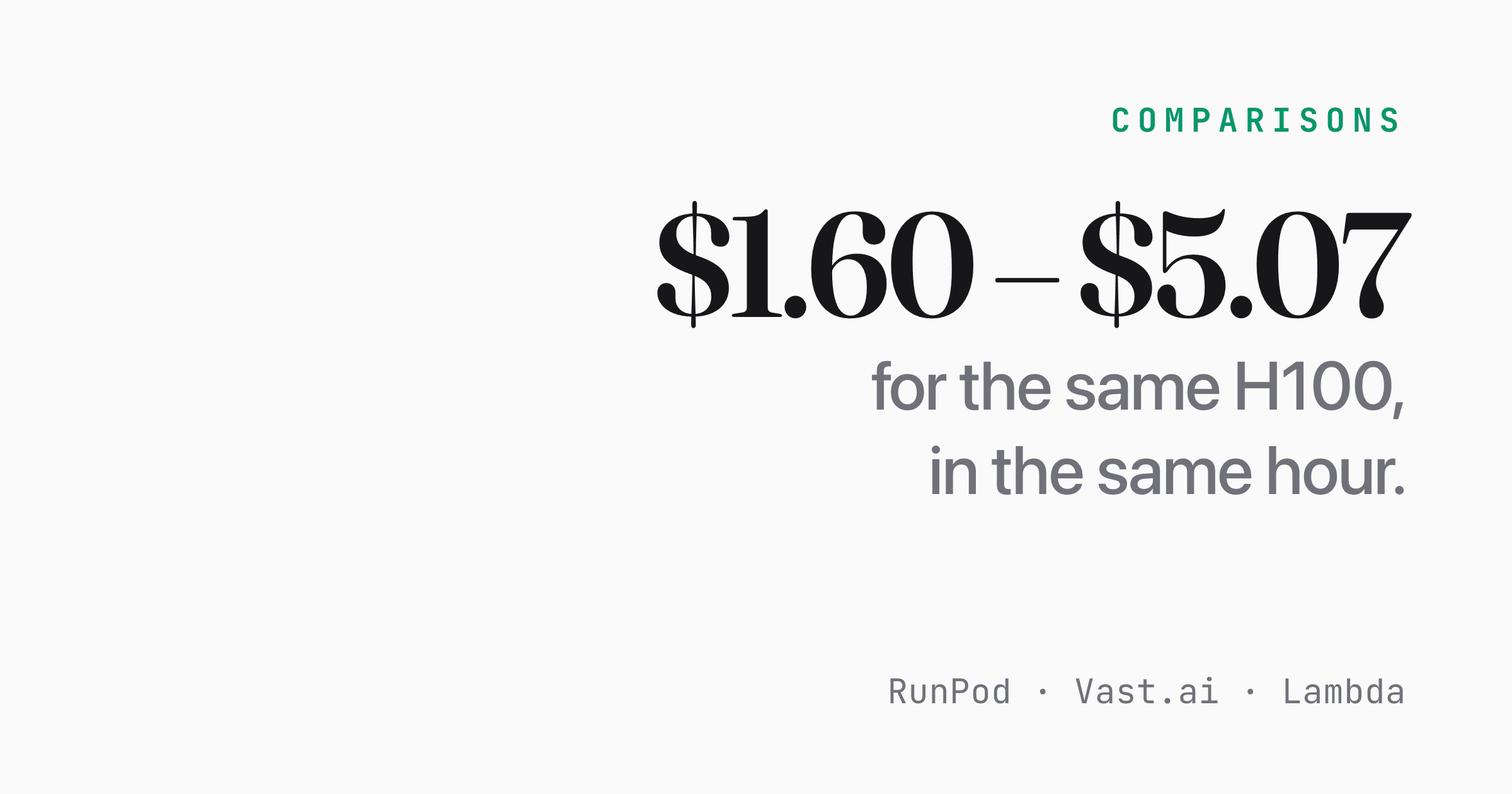
Cloud GPU Pricing Compared: RunPod vs Vast.ai vs Lambda (2026)
The three platforms don't just charge different rates — they sell compute in three different shapes. RunPod posts a flat rate in two tiers, Vast.ai's price is a distribution rather than a number, and Lambda quotes per GPU but sells by the configuration. Here's how that structure decides your bill, plus a July 2026 snapshot and a worked 24-hour H100 example.
Latest posts
38 posts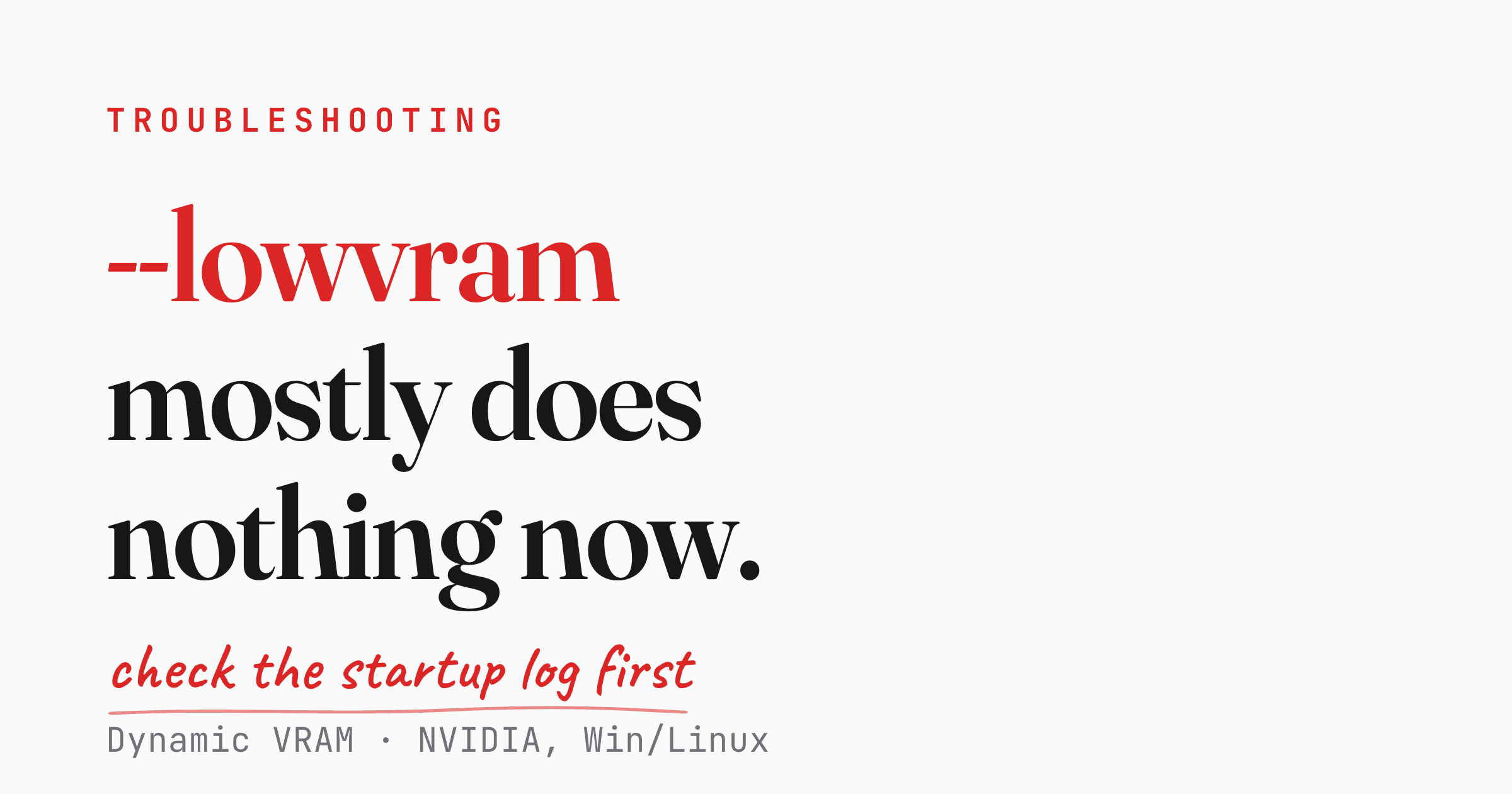
Fix Common ComfyUI Installation and Out-of-Memory Errors
A 2026-current troubleshooting guide for ComfyUI's two most common headaches: install failures (torch/CUDA mismatches, failed custom nodes) and CUDA out-of-memory crashes. Includes copy-paste fixes, and why the once-standard --lowvram flag is mostly a no-op on setups where Dynamic VRAM is actually running — plus how to check whether yours is.
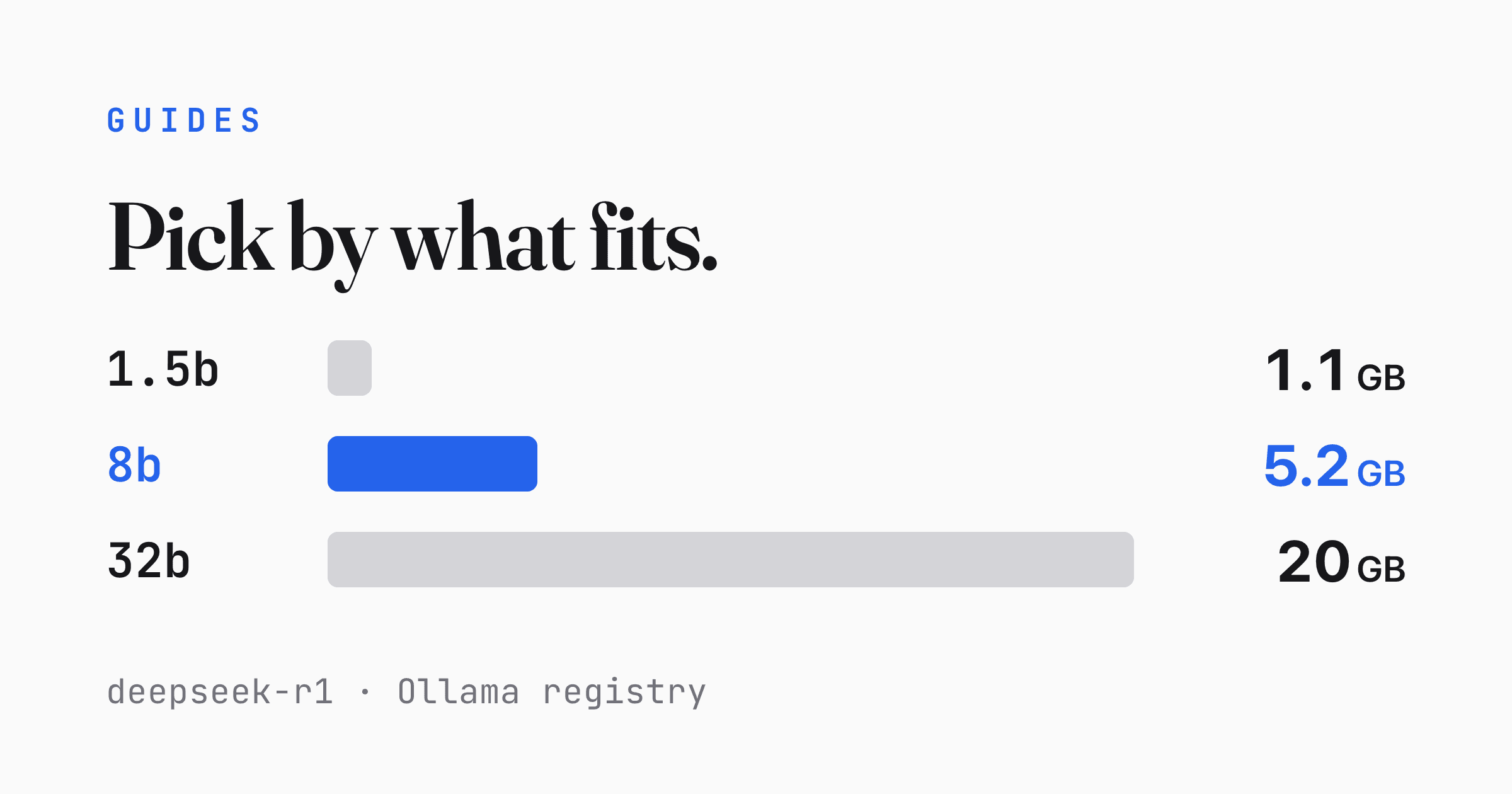
How to Run DeepSeek Locally with Ollama
A step-by-step 2026 guide to running DeepSeek-R1 locally with Ollama: install, pull a model, and chat in about ten minutes. Includes a registry-checked download-size table with VRAM guidance, the distilled-vs-full caveat most guides skip, model management, the local API, and troubleshooting.

How to Build a Local LLM Server with Ollama and Open WebUI
A complete, copy-pasteable guide to running a private ChatGPT-style assistant on your own machine with Ollama and Open WebUI. Covers honest hardware sizing, install steps for macOS/Windows/Linux, the Docker setup, the port binding most guides get wrong, and the networking fix that trips everyone up.
ComfyUI Workflows Explained: Load, Run, and Customize
A practical, end-to-end guide to ComfyUI workflows built around three verbs: load a workflow JSON, run the node graph, and customize it. Covers the three ways to load, the missing-custom-nodes wall that stops most downloaded workflows, and when you'd need API format.
Fix "SSL: CERTIFICATE_VERIFY_FAILED" in Python requests
The SSL: CERTIFICATE_VERIFY_FAILED error in Python requests almost always means your CA bundle can't trust the server's certificate. Here's a cause-first decision tree: identify the cause with one openssl command, then apply the right fix — updating certifi, the macOS certificate script, environment variables, truststore, or a corporate root — without ever turning verification off.
What Is Quantization? Running Big Models on Less VRAM
Quantization is what shrinks a 70B model from 140 GB to ~43 GB — enough for two consumer cards or a big-memory Mac, not one 24 GB GPU. Here's what it actually does, the memory math including the KV cache everyone forgets, how to read GGUF labels like Q4_K_M, and which quant level to pick for your VRAM.
Postgres vs SQLite for Small Apps in 2026
In 2026 the SQLite-vs-Postgres question flipped: it's no longer whether SQLite is production-ready, but whether your app actually has the concurrent-write volume that needs Postgres. A pragmatic decision guide with current versions, the single-writer trade-off, 2026 tooling (Litestream, Turso), a real cost table, and a migration trigger based on evidence rather than anticipation.
Pinecone vs pgvector vs Qdrant: Vector Databases Compared
Two axes decide this — where your data already lives, and how much infrastructure you want to run. A structural comparison of pgvector, Pinecone, and Qdrant, including why Pinecone never used HNSW, why two 2026 benchmarks disagree by 1.6–3x under identical stated conditions, and what actually separates the three.
The Best Local LLMs You Can Actually Run on 16GB and 32GB RAM (2026)
Local LLMs are free to download, so the real cost is RAM. Here's the arithmetic that decides what fits — about 0.6–0.65 GB per billion parameters, plus overhead, plus the KV cache — and a spec-checked shortlist of models that clear the 16GB and 32GB bars.